Unleashing the Hidden Wonders of Soil Microbes: Exploring how these microscopic organisms play a crucial role in nutrient cycling and plant health, revealing the vibrant ecosystem just beneath our feet in organic gardening. Transforming Waste into Wonder: Innovative and inspiring methods for repurposing kitchen scraps like vegetable peels and coffee grounds into nutrient-rich compost, demonstrating how creativity can reduce waste while enriching our gardens.Embracing Native Plants: A Journey into the world of indigenous flora, showcasing their adaptability to local climates, their role in supporting local wildlife, and how choosing native species can create a stunningly diverse landscape. Creating an Edible Landscape: Crafting a beautiful and functional garden that intertwines decorative plants with vegetables and herbs, illustrating how to design a space that delights the senses and provides fresh produce year-round. Finding Peace and Mindfulness: Delving into the meditative aspects of gardening, sharing techniques to cultivate mindfulness while tending to plants, and the emotional benefits that come from connecting with nature through nurturing a garden.
Birds and how they build their shelter
### How Birds Build Their Houses: The Intriguing World of Bird Nesting Because of their morphology, behavior, and evolutionary history, birds are among the most fascinating animals on the planet. The most notable aspect of the animal kingdom is how these birds construct their homes or nests, which serve as a haven for their eggs and chicks and are the main topic of this essay. This article explores the various techniques birds use throughout their life cycle to construct their homes and nests. #### Nesting: A bird’s reproductive cycle One of the most important steps in the reproduction process for all birds is nesting. Here are some examples: – **Offering refuge:** Birds use nests as a place where they can live .
Environment clean
Reducing the amount of waste that you produce by selecting products that have minimal packaging and avoiding the use of disposable items. Reuse items whenever possible. Glass containers can be utilized as storage units, and second-hand clothing can be turned into rags or crafts. Recycle paper, plastic, and glass. Take care to observe local recycling programs so that items are properly treated. Select products that are biodegradable or renewable. This reduces the amount of toxic waste dumped into landfills and oceans. Buy products with certification labels such as Green Seal or Energy Star when purchasing cleaning supplies, personal care products, or electronics. Small changes in your daily routines can yield an enormous impact on the environment. • Turn off the tap when brushing your teeth, and use low-flow showerheads and faucets. Trees purify the air and provide habitats for wildlife. Participate in tree-planting initiatives or give donations to organizations that work on reforestation. In addition, maintaining community gardens and local parks can promote biodiversity and filter the air. Knowledge is power. Stay informed about environmental issues and share this information with family and friends. Discuss the necessity of sustainability with schools, workplaces, and other organizations to promote group action.
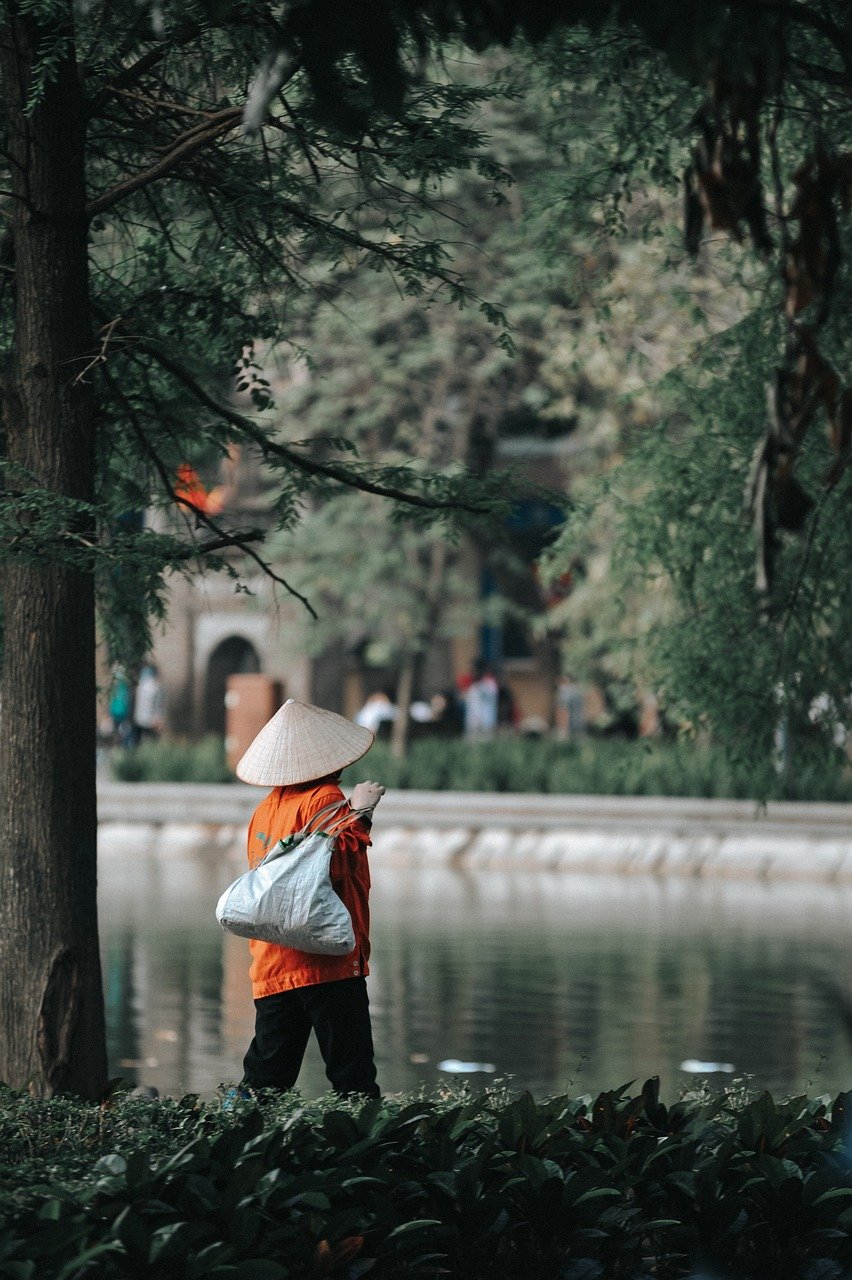
Environment Changes
In our times, due to human actions, we are facing some of the most difficult days for our natural world. Climate change and biodiversity loss are just some of the issues, among others, where the adversities are great, varied, and ever-shifting. There exists not a single environmental concern-here, in such a context, climate change To bring it all together, it is almost given that climate change, driven largely by human action, is an urgent environmental concern. Greenhouse gasses (GHGs) are released in huge quantities into the atmosphere via deforestation and industrial activity, contributing to global warming-ahead by burning fossil fuels for productive purposes. Emission levels are still rising, as the report says, rather insidiously turning climate change into a major crisis as it projects a rise by 3.1 degrees Celsius in global temperatures by the year 2100. The Guardian As Societies experienced forest-burstingly deadly floods in Europe, some of the most ruined occurred in Spain; this has been described as some of the worst flooding in at least half a century and underscores the heightening health crisis posed by climate change. Wikipedia Suffering decline in biodiversity Assuming that the cause of the ongoing crisis of biodiversity is either habitat destruction, pollution, overfishing, or introducing an invasive species, the greatest threat to the biodiversity of Earth is justified. Papers state that since anthropogenic causes took place between 1970-2016, as much as 68% of the wildlife population has borne being lost. Work and other things that could be provided by the system have been undermined by it. Pollution Air pollution, water pollution, and soil pollution continue to carry on, degrading the environment. Industrial effluents accumulate in the ocean, agricultural runoff, and plastic waste, further disabling ecosystems and drifting upon fish in its ocean waters that eventually find their ways up into the human food chain by way of poisoning.